
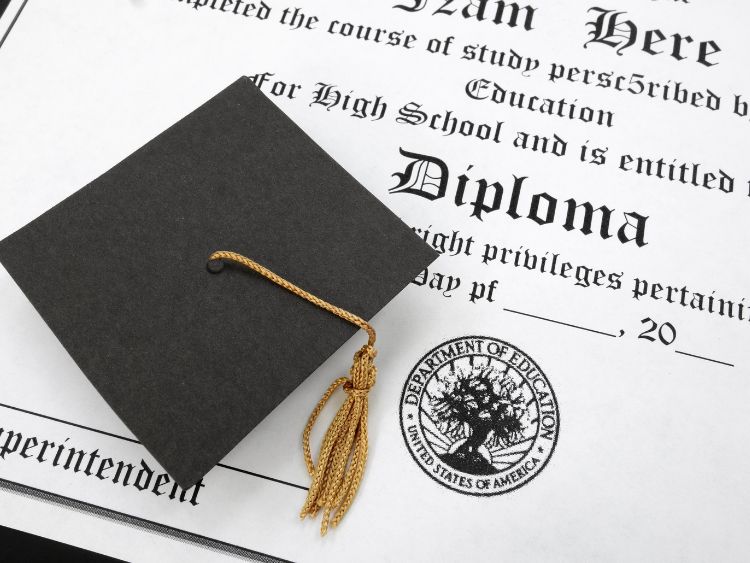
When you’re tasked with verifying academic credentials, you’re not just checking a box – you’re safeguarding your organization’s reputation and ensuring the qualifications of your candidates are genuine. You’ve likely heard the horror stories of information about fake diplomas diplomas and degree fraud, but do you know how to spot a forgery? It’s not as easy as it seems, and a single misstep can have serious consequences. As you begin to navigate the complex process of verification, you’ll need to separate fact from fiction and uncover the truth behind those impressive-sounding credentials. But where do you even start?
Understanding Diploma Mills and Fraud
Since the advent of online education, the proliferation of diploma mills and fraudulent academic credentials has become a pressing concern.
You’re likely aware that these scams can be incredibly convincing, making it difficult to distinguish fake credentials from legitimate ones. Diploma mills often have official-sounding names, professional-looking websites, and even fake accreditation agencies to back them up.
They prey on unsuspecting students, offering quick and easy degrees for a hefty fee.
You might be wondering how you can fall prey to such scams. The truth is, it’s easier than you think.
Many diploma mills use high-pressure sales tactics, targeting vulnerable individuals who are desperate for a degree. They might promise guaranteed admission, instant graduation, or inflated salaries upon completion.
Be cautious of these red flags, as they’re often indicative of a fraudulent operation.
It’s crucial to remember that a legitimate education requires effort, time, and dedication. If an opportunity seems too good to be true, it probably is.
Stay vigilant, and you’ll be better equipped to avoid these scams and protect your academic integrity.
Researching Accreditation and Legitimacy
You’ve likely encountered a diploma mill’s website that looks legitimate, complete with accreditation badges and impressive faculty credentials.
But don’t be fooled – these fake institutions often create their own accrediting agencies or obtain accreditation from unrecognized bodies.
To verify accreditation, you need to dig deeper.
Start by checking the U.S. Department of Education’s database of recognized accrediting agencies.
If the institution’s accreditor is listed, it doesn’t necessarily mean the institution is legitimate, but it’s a good start.
You should also research the accrediting agency itself, looking for red flags like a lack of transparency or unrealistic promises.
Additionally, check if the institution is a member of recognized professional associations or has partnerships with reputable organizations.
Be wary of institutions with accreditation from unknown or unverified agencies – it may be a sign of a diploma mill.
Verifying Credentials With Institutions
One crucial step in verifying academic credentials is to contact the institution directly, as their input can make or break the legitimacy of a candidate’s claims.
You’ll want to reach out to the registrar’s office or the department that issued the degree, and ask them to confirm the candidate’s attendance and degree completion. Be prepared to provide the candidate’s name, dates of attendance, and degree earned.
You may also want to ask about the major, GPA, and any specializations or certifications.
When contacting the institution, make sure to ask the right questions. You’re looking for concrete information that can verify the candidate’s credentials.
Don’t rely on vague confirmations or generic responses. Instead, ask specific questions that will give you a clear yes or no answer. For example, “Did John Doe earn a Bachelor’s degree in Computer Science in 2018?” or “Was Jane Smith enrolled in your Master’s program from 2015 to 2017?”
Identifying Red Flags in Documents
After verifying a candidate’s credentials with their institution, it’s time to scrutinize the documents they’ve provided.
You’ll want to examine every aspect of the documents, from the paper quality to the formatting and layout.
Check for inconsistencies in the typeface, font size, and style. Are there any typos or grammatical errors? Is the language used consistent with what you’d expect from an academic institution?
Look for any signs of tampering, such as altered dates or signatures.
Be wary of documents that seem overly formal or lack the usual stamps and seals.
Check the watermarks, if any, to ensure they match the institution’s logo. Verify the document’s serial number, if it has one, to ensure it’s legitimate.
You should also inspect the degree’s signature block to ensure it matches the institution’s records.
If anything raises your suspicions, don’t hesitate to contact the institution for further clarification.
Best Practices for Verification
In verifying academic credentials, it’s essential to follow a step-by-step process to ensure accuracy and legitimacy.
You’ll want to start by gathering all necessary documentation, including diplomas, transcripts, and certificates. Then, verify the authenticity of these documents by contacting the issuing institution directly.
Don’t rely on the candidate or a third-party service to provide this information. Instead, go straight to the source to confirm the candidate’s attendance, graduation date, and degree earned.
Be sure to ask specific questions, such as whether the institution offers the degree in question and if the candidate’s name appears in their records.
Additionally, take note of any inconsistencies in the documentation or the candidate’s story, as these can be indicative of fraud.
Finally, maintain detailed records of your verification process, including dates, contact information, and results.
Conclusion
You’ve taken the crucial steps to verify academic credentials and detect forged diplomas. By researching accreditation, contacting institutions, and examining documents carefully, you’ve ensured authenticity. Remember to maintain detailed records of the verification process. With diligence and attention to detail, you can confidently authenticate credentials, separating legitimate achievements from fraudulent claims. Your thoroughness protects the value of genuine academic accomplishments.