
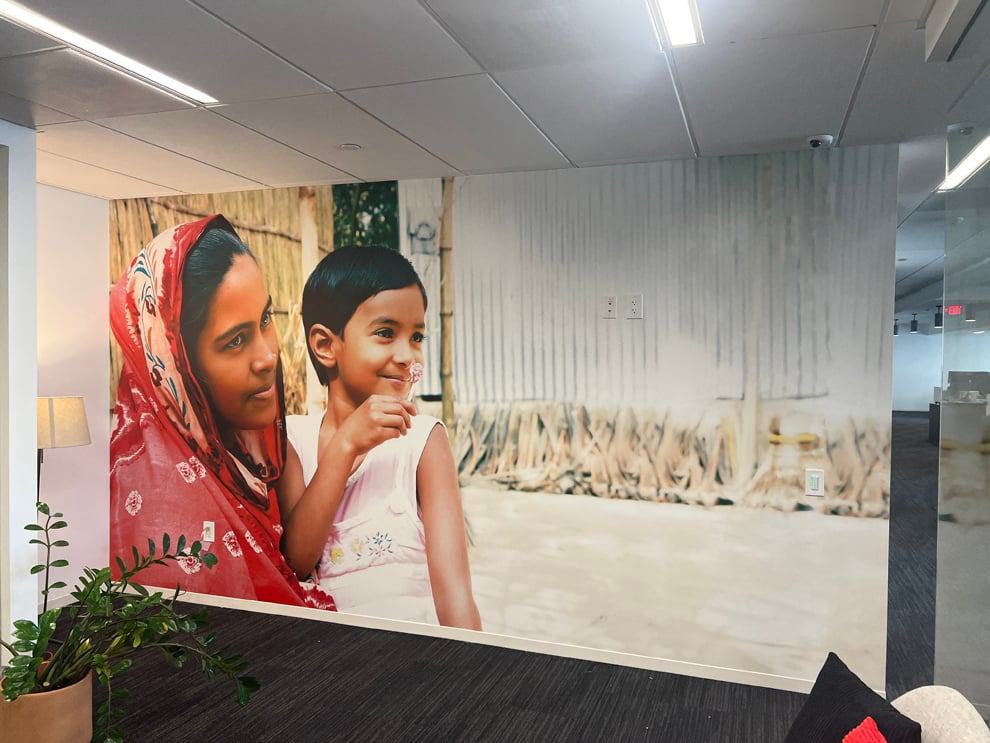
Environmental graphic design is a powerful tool that blends visual storytelling, architectural form, and brand messaging into physical spaces. For organizations in Washington, DC, environmental graphics are no longer a luxury—they’re essential for building workplace identity, enhancing employee engagement, and leaving a lasting impression on visitors and clients alike. At the forefront of this transformation are environmental graphics designers in Washington DC, professionals who specialize in turning plain offices into branded environments that speak volumes without saying a word.
This article explores the role and value of environmental graphic designers in the nation’s capital and highlights how their work revolutionizes workplace interiors, supporting brand identity, functionality, and aesthetics.
What Are Environmental Graphics?
Environmental graphics, also referred to as experiential graphic design (EGD), go far beyond simple wall art or directional signage. They involve the integration of graphic elements with the physical environment to create cohesive, immersive experiences. These elements include:
-
Wall murals and wraps
-
Window graphics and decals
-
Wayfinding and directional signs
-
Dimensional lettering and logos
-
Floor graphics and ceiling treatments
-
Interpretive and storytelling displays
-
Architectural enhancements
In essence, environmental graphics enhance the built environment by fusing design with space, form with function, and message with movement.
The Role of Environmental Graphics Designers
Environmental graphics designers in Washington DC wear many creative hats. They are part interior designers, part branding experts, and part storytellers. Their job is not only to beautify spaces but to ensure those spaces communicate the organization’s values, mission, and brand identity effectively.
These professionals begin by understanding the goals and ethos of a business or organization. From there, they conceptualize visual themes that reflect these values while integrating them into the interior architecture of the workplace. They may collaborate with architects, interior designers, marketing teams, and fabrication specialists to bring concepts to life.
Why Environmental Graphics Matter in the Workplace
For many businesses and organizations, especially in a city like Washington, DC, where image and professionalism are paramount, the workplace serves as both a physical and symbolic representation of the brand. Environmental graphics make a workplace:
More engaging for employees
Branded spaces foster a sense of pride, ownership, and identity among employees. Visual storytelling can serve as daily inspiration and reinforce company culture.
Memorable for visitors and clients
First impressions matter. A thoughtfully branded environment reflects credibility, attention to detail, and commitment to a cohesive image.
Easier to navigate
Wayfinding graphics contribute to functionality, guiding people smoothly through a building. This is especially important in multi-floor office complexes and institutional spaces.
Better aligned with branding efforts
Environmental graphics extend the brand beyond marketing materials, allowing it to live within the physical space.
Branding with Purpose: Environmental Graphics in Offices
Environmental graphics aren’t just for show—they’re strategic assets in branding workplace interiors. When expertly designed, they support corporate storytelling and build emotional connections with staff and visitors. This becomes increasingly important in hybrid and remote work environments, where physical spaces need to encourage collaboration and reinforce belonging.
Environmental graphics designers in Washington DC bring this strategy to life by tailoring designs to reflect the unique narrative of each organization. This includes:
-
Incorporating mission statements and core values in visual form
-
Utilizing brand colors, typefaces, and imagery across walls and rooms
-
Showcasing the company’s history or community involvement
-
Creating thematic zones or zones with specific moods through graphics
Whether it’s a nonprofit in Dupont Circle, a law firm near Capitol Hill, or a technology startup in Navy Yard, environmental graphics can turn a standard office layout into a vibrant brandscape.
Types of Environmental Graphic Design in Workplaces
Let’s explore the most commonly implemented types of environmental graphics in Washington DC workplaces and offices:
Wall Murals and Wraps
These are large-scale visuals that often become focal points in lobbies, corridors, and meeting rooms. They can feature anything from abstract designs to historical imagery, brand messaging, or inspirational quotes.
Wayfinding Systems
Functional yet visually appealing, wayfinding graphics help users navigate the space. Good wayfinding is intuitive and brand-cohesive, reinforcing identity even in the smallest signs.
Dimensional Letters
Using standoff mounts, brushed metal, or acrylic, dimensional signage adds depth and professionalism to a brand’s presentation in reception areas and conference rooms.
Frosted and Vinyl Window Graphics
Window decals are both decorative and functional. Frosted vinyl ensures privacy in glass offices while maintaining a clean, branded look.
Timeline Walls
These installations tell a story—about a company’s journey, its milestones, or the people behind its success. They are especially powerful in corporate headquarters and government institutions.
Environmental Graphics for Government, Associations, and Institutions
Washington, DC is an array of federal agencies, international organizations, universities, and advocacy groups—all of which benefit from thoughtful environmental graphic design.
Environmental graphics designers in Washington DC tailor solutions to these diverse sectors:
Government Agencies
Branded signage reflecting professionalism, national identity, and transparency is crucial. Environmental graphics often include agency seals, mission statements, and policy information.
Nonprofits and Associations
These spaces can benefit from emotionally engaging visuals that reflect social missions, advocacy campaigns, or donor recognition.
Universities and Academic Institutions
Schools in DC use environmental graphics to showcase achievements, campus values, and historic legacies—particularly in admissions offices, libraries, and student centers.
Museums and Cultural Spaces
Interpretive signage and storytelling graphics help institutions communicate historical context, art narratives, and interactive experiences.
The Design Process: From Concept to Installation
The journey of creating environmental graphics is a collaborative and detailed one. The typical process includes:
Discovery and Research
Designers meet with stakeholders to understand brand goals, project scope, and space specifications.
Concept Development
This involves brainstorming, sketching, and refining visual themes. Initial mockups and color palettes are presented for review.
Design Execution
Once approved, the designers finalize high-resolution files, considering materials, dimensions, and site conditions.
Fabrication
Production teams use wide-format printing, CNC cutting, laser engraving, or vinyl cutting, depending on the materials and design complexity.
Installation
A professional Sign Installation Washington DC team ensures graphics are mounted securely, aligned accurately, and finished with care.
The Importance of Material Selection
Material choice plays a vital role in how a design is perceived and how long it lasts. Popular materials in workplace environmental graphics include:
-
Acrylic
-
Adhesive vinyl
-
Fabric (for SEG frames or banners)
Designers select materials based on aesthetics, durability, lighting conditions, and client preferences. For example, in high-traffic areas, durable matte-finish vinyl might be preferred, while corporate lobbies may opt for backlit acrylic logos to elevate branding.
Sustainability and Eco-Friendly Design
As environmental consciousness rises, many organizations seek sustainable graphic solutions. Designers are responding with:
-
Eco-solvent and latex inks
-
Recyclable substrates
-
Low-VOC adhesives
-
Modular systems that reduce waste
This is particularly relevant in government and educational projects where sustainability mandates often apply.
Choosing the Right Environmental Graphics Designers Washington DC
Not all designers are created equal. Choosing the right partner is critical to the success of a branding project. Here’s what to look for:
-
Experience with diverse industries
-
In-house design and production capabilities
-
Knowledge of ADA-compliant signage and local codes
-
Strong project management and installation teams
-
A compelling portfolio with proven results
Clients should seek environmental graphics designers in Washington DC who can balance aesthetics, branding, and spatial functionality while keeping deadlines and budgets in check.
Final Thoughts: Investing in Space that Speaks
In a competitive city like Washington, DC, where institutions thrive on reputation, message clarity, and visual presence, investing in environmental graphics is more than a trend—it’s a strategic necessity. Office spaces are no longer just places to work; they are immersive brand environments that shape how people feel, think, and engage.
Whether the goal is to energize employees, impress stakeholders, or embody a mission, Environmental Graphics Designers in Washington DC offer the tools and talent to turn any workspace into a powerful extension of the brand.
By choosing thoughtful design and experienced professionals, organizations can ensure that every hallway, lobby, or meeting room contributes to their story—one graphic at a time.