
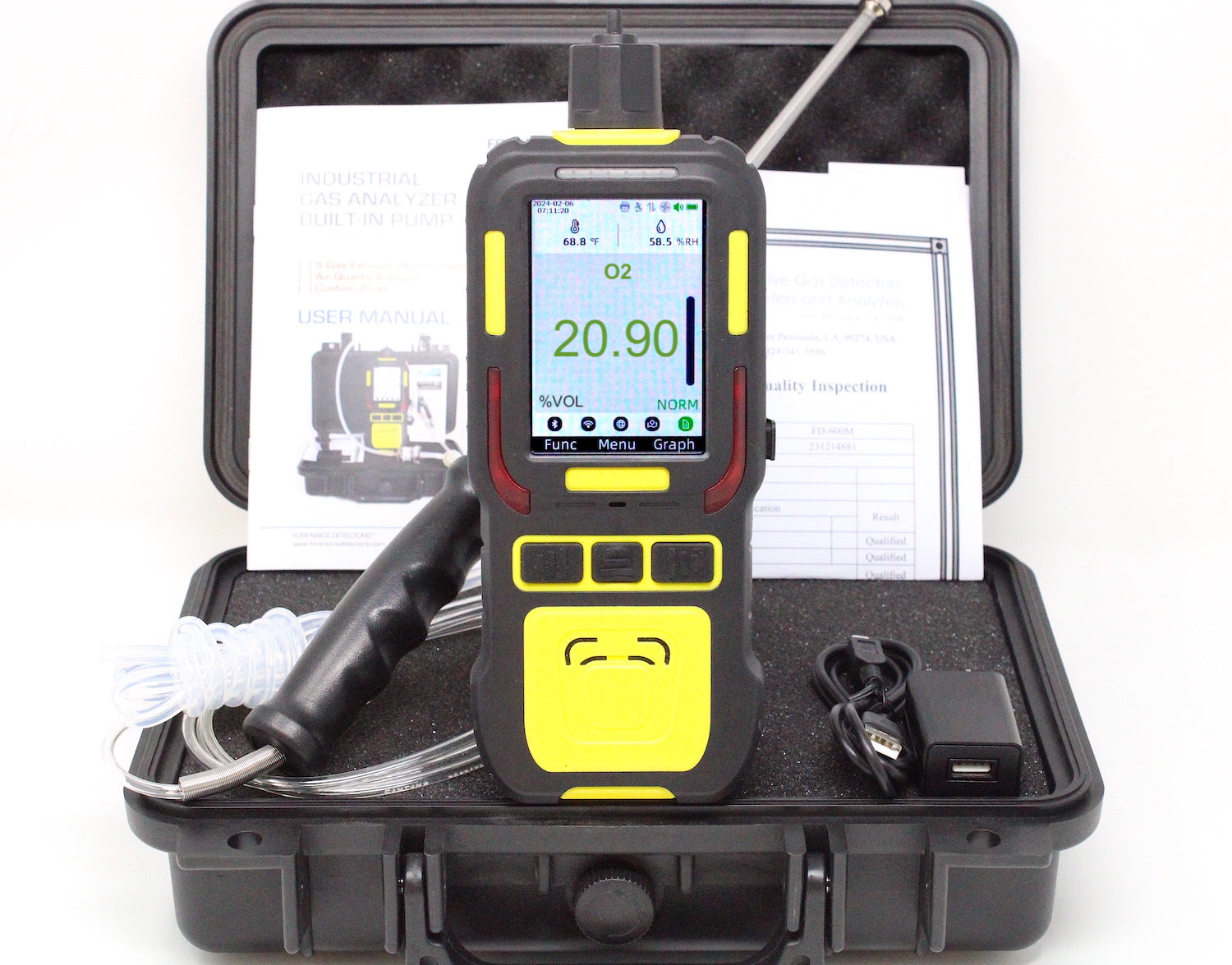
In industries like oil and gas, manufacturing, and chemical processing, refuge is predominate. One of the most significant risks bald-faced by workers and facilities alike is the front of harmful gases in the air. Gas leaks, whether hepatotoxic, inflammable, or dyspnoeic, can cause serious harm if unobserved. While many industries are witting of the dangers, many still struggle with determination trusty, competent ways to monitor gas levels. Fortunately, gas detectors and gas analyzers volunteer an paragon solution to these challenges, ensuring both safety and submission.
What Are Gas Detectors and Gas Analyzers?
Gas detectors are designed to alert workers when chancy gases are submit in the . These detectors work by measurement the of specific gases and providing early warnings, such as alarms or machine rifle shutdowns, to understate the risks associated with .
On the other hand, gas analyzers go a step further. While they also observe gases, they are specifically premeditated to quantify the authorship and of gases in distinct amounts. This detailed data is requisite for applications where correct top carbon monoxide alarm measurements are material for processes like emissions control, tone assurance, and restrictive submission.
Together, gas detectors and analyzers form a comprehensive solution for maintaining safe and efficient operations in wild environments.
Why Gas Detectors and Gas Analyzers Are Essential
1. Enhanced Safety
The most operative conclude for using gas detectors and analyzers is to check the safety of workers. In industries like minelaying, twist, and oil , workers are often unclothed to parlous gases such as methane, H sulfide, and carbon monoxide. Early signal detection of these gases can keep accidents, explosions, and long-term wellness issues.
2. Compliance with Regulations
Many industries are governed by stern regulations that require consecutive monitoring of air tone and gas emissions. Regulatory bodies such as OSHA, the EPA, and the NFPA have guidelines that mandatory the use of gas detection systems to protect both the manpower and the environment. Gas detectors and analyzers insure that businesses comply with these regulations and keep off fines or legal complications.
3. Cost Savings
A gas leak that goes unobserved can lead to expensive , equipment , or even harmful accidents. By using gas detectors and analyzers, companies can identify issues early on, preventing expensive repairs or delays. These systems also help optimise vim exercis and better overall operational by providing exact gas measurements.
4. Environmental Protection
Industries are more and more being held responsible for their state of affairs bear on. Gas analyzers, in particular, help ride herd on the release of toxic emissions and ensure that companies stick to state of affairs standards. This data is requisite not only for compliance but also for reducing the carbon footmark of operations.
Types of Gas Detection Systems
Portable Gas Detectors
Portable gas detectors are requirement for workers who need mobility across different sites. These wad devices allow real-time signal detection of nonuple gases, making them valuable for workers in restrained spaces, risky areas, or job sites requiring frequent gas monitoring.
Fixed Gas Detectors
Fixed gas detectors are for good installed in specific locations, such as industrial plants, refineries, or warehouses. These detectors cater straight monitoring and are ideal for high-risk areas that want 24 7 surveillance.
Multi-Gas Analyzers
Multi-gas analyzers are open of detecting and analyzing several gases at once, making them ideal for environments where four-fold gas hazards may subsist. These analyzers are often used in industries like oil and gas, chemical substance processing, and effluent treatment.
How to Choose the Right Gas Detection Equipment
When selecting gas signal detection or depth psychology , consider the following:
Type of gas: Ensure the device can discover the specific gases submit in your .
Sensitivity: Some gases need extremely spiritualist detection to avoid peril.
Environment: Choose between outboard or rigid systems depending on your readiness s needs.
Compliance requirements: Ensure the meets restrictive standards for your industry.
Conclusion
Gas detectors and gas analyzers are requirement tools for ensuring refuge, submission, and operational efficiency in industries uncovered to risky gases. Investing in the right gas detection can save lives, keep dearly-won accidents, and help businesses meet situation and regulative standards. By using these technologies, industries can safeguard their workers, protect the environment, and better their bottom line.