
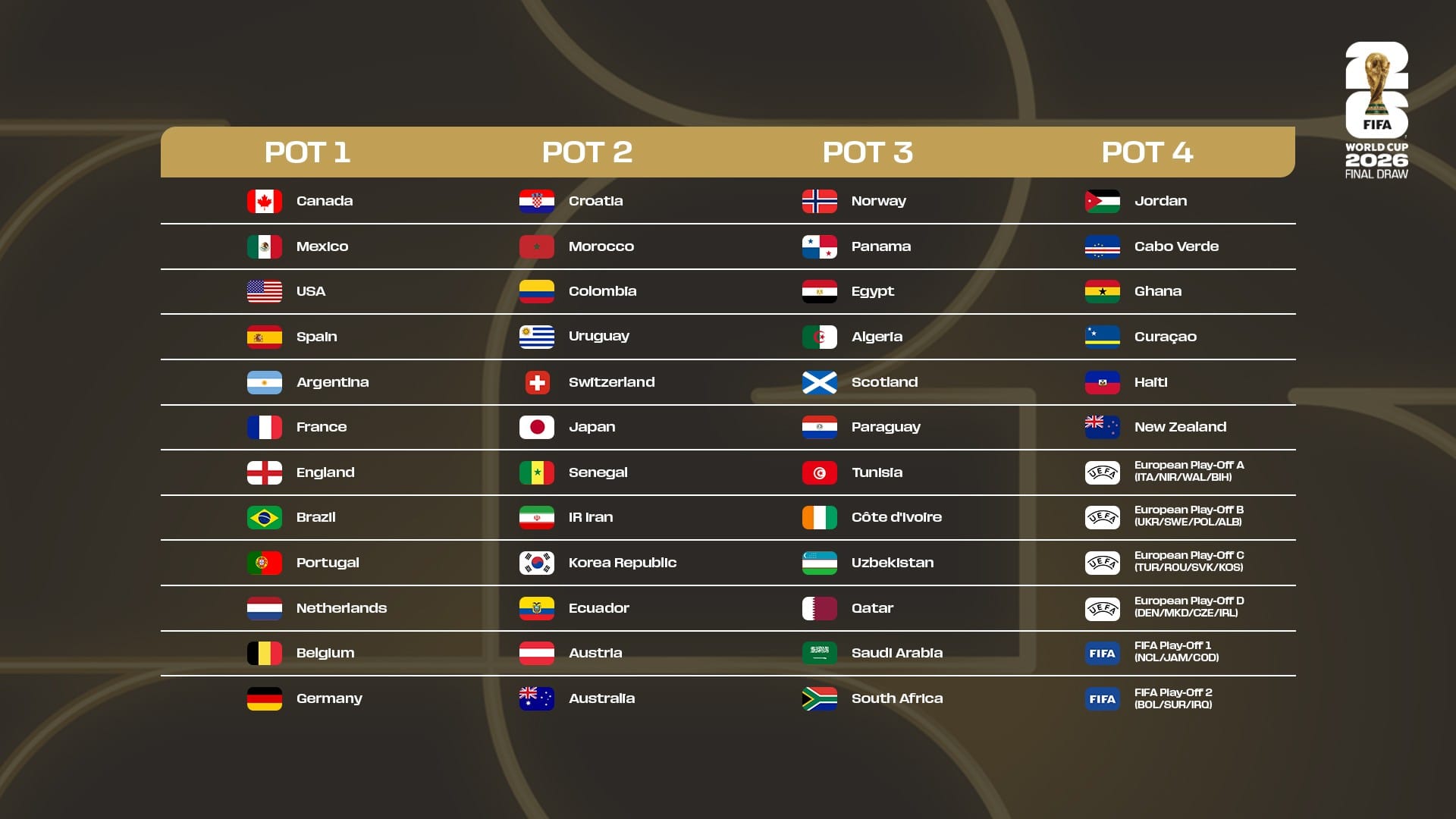
Argentina arrive in 2026 as defending World Cup champions. The World Cup 2026 defending champion predictor question is whether they can become the first nation since Brazil in 1958 and 1962 to win back-to-back World Cup titles. History says no. Argentina’s squad says maybe.
No defending champion has won the tournament since Brazil 64 years ago. France failed to reach the Quarterfinals in 2002 after winning in 1998. Italy failed to qualify in 2018 after winning in 2006. Germany went out in the group stage in 2018 after winning in 2014. The pattern of defending champions underperforming is strong and consistent.
Why Repeating Is So Hard
Squad transition is the primary reason defending champions struggle. The players who won the tournament are four years older. Key veterans retire or decline. The manager who organized the winning campaign may leave. Building a new championship squad while retaining the core of the previous one requires a precise balance that few nations achieve between cycles.
Argentina faces this squad transition challenge directly. Their 2022 squad was built around peak-career players at multiple key positions. By 2026 some of those players will have aged out of their peak form. The depth of talent available to replace them will determine whether Argentina can genuinely compete at the same level.
The Messi Factor
Lionel Messi in what is widely expected to be his final World Cup is one of the most powerful motivating forces in world sport. A squad playing for their iconic captain’s farewell brings a different psychological energy than a team simply defending a title.
Getting More Out of Multiple Simulation Runs
Running the simulator more than once reveals how much the 2026 World Cup bracket depends on specific results going certain ways. A single simulation run produces one plausible outcome. Five or ten runs show the range of outcomes that exist within reasonable prediction parameters. Track how often your predicted champion reaches the Final across multiple runs. If they reach the Final in eight out of ten simulations, that is a high-confidence pick. If they reach it in three out of ten, the prediction is more speculative.
The most useful simulation exercise is the stress test. Take your champion pick and deliberately enter the most difficult possible opponents in each knockout round. If your predicted champion still wins against tougher opposition across multiple simulation runs, the prediction is robust. If the champion only wins the easy bracket draw, the prediction is fragile and should be reconsidered before you lock it in.
That emotional motivation is real but it is not infinite. Seven consecutive wins over three weeks at the highest pressure level requires consistent tactical excellence alongside emotional drive. Argentina’s chances rest on whether those two factors combine successfully across the full tournament.